

Vending Operators6 min read
On this page
The average independent operator loses 14 hours every month pushing a flatbed cart through the aisles of a big-box retail club: time that should be spent on business development or route optimization. While "running to Costco" works when you have three machines in a breakroom, it becomes a structural bottleneck the moment you hit double digits. Scaling to a professional operation requires moving away from retail errands and toward a standardized wholesale supply chain.
In 2026, the difference between a side hustle and a scalable business is your supply chain. Product costs typically account for 45% to 55% of a vending operation's gross revenue, meaning even a 3% shift in sourcing efficiency can be the difference between a profitable month and a break-even one.
The Retail Trap: Why Big-Box Clubs Kill Scale
Retail clubs are designed for consumers: not for logistics professionals. They offer inconsistent inventory: frequent "out of stock" notices on core SKUs: and force you to provide your own labor for picking, loading, and transporting.
When you treat your sourcing like a grocery run, you lose visibility. You cannot automate your inventory: you cannot integrate your sales data with a purchasing portal: and you certainly cannot negotiate volume rebates based on annual spend. To build a reliable purchasing system for your business, you must transition to a tiered supplier network.
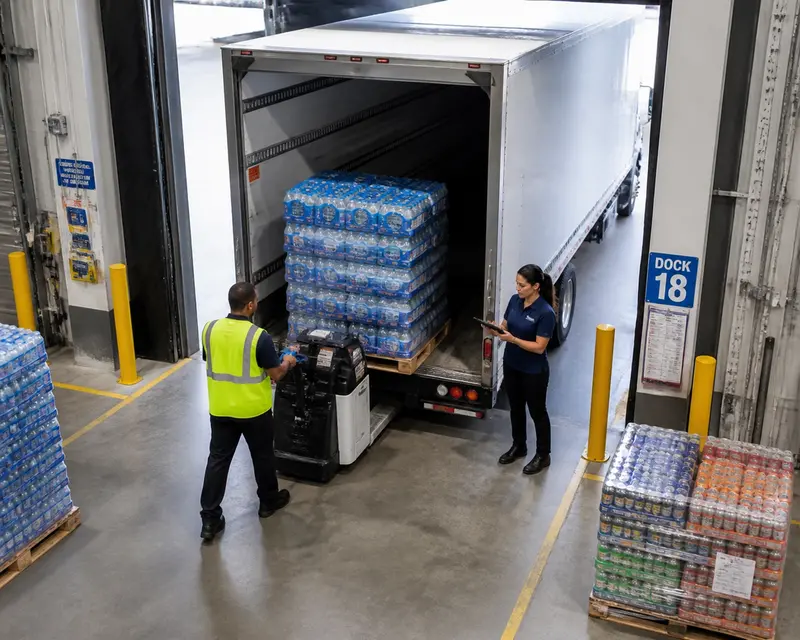
Building the Tiered Supplier Network
A scalable operation does not rely on a single source. Instead, it utilizes a layered approach to ensure 100% fill rates while maintaining the highest possible margins.
Tier 1: Regional Vending Distributors (The Backbone)
These are the heavy hitters: companies like Vistar or regional specialists who focus exclusively on the vending and micro-market industry. They provide:
- Standardized case sizes designed for machine slots.
- Delivery directly to your warehouse or storage facility.
- Electronic data interchange (EDI) capabilities that sync with your Vending Management System (VMS).
Tier 2: Direct Bottler Relationships
For high-velocity beverages, dealing directly with Coca-Cola, PepsiCo, or Keurig Dr Pepper is essential. This tier is less about convenience and more about equipment support and rebates. Many bottlers offer "full-service" options or "third-party" programs where they deliver the product and you fill the machines: often providing the coolers or glass-front vendors at a subsidized rate.
Tier 3: Specialty and "Better-For-You" Suppliers
As consumer preferences shift toward healthier options in 2026, standard distributors might lag on niche trends. This tier involves smaller, agile suppliers who provide high-margin "functional" snacks and drinks: protein cookies, prebiotic sodas, or local jerky: that allow you to command a premium price point.
Tier 4: Wholesale Clubs (The Overflow Buffer)
Costco and Sam's Club still have a place: but only as a backup. Use them for testing new SKUs before committing to a pallet or for emergency "bridge" buys when a primary distributor has a short-shipment.
🧮 Want to run your specific numbers? Use our Vending Profitability Calculator to model your route based on machine count, weekly sales, and costs.
SKU Rationalization: The 80/20 Rule of Sourcing
Complexity is the enemy of scale. If you have 50 machines and 200 different SKUs across your route: you have a logistics nightmare. Professional operators use SKU rationalization to trim the fat.
Standardize your product list so that the top 20% of your items account for 80% of your volume. This allows you to buy in bulk: negotiate better pricing: and reduces the "dead stock" sitting in your storage unit.
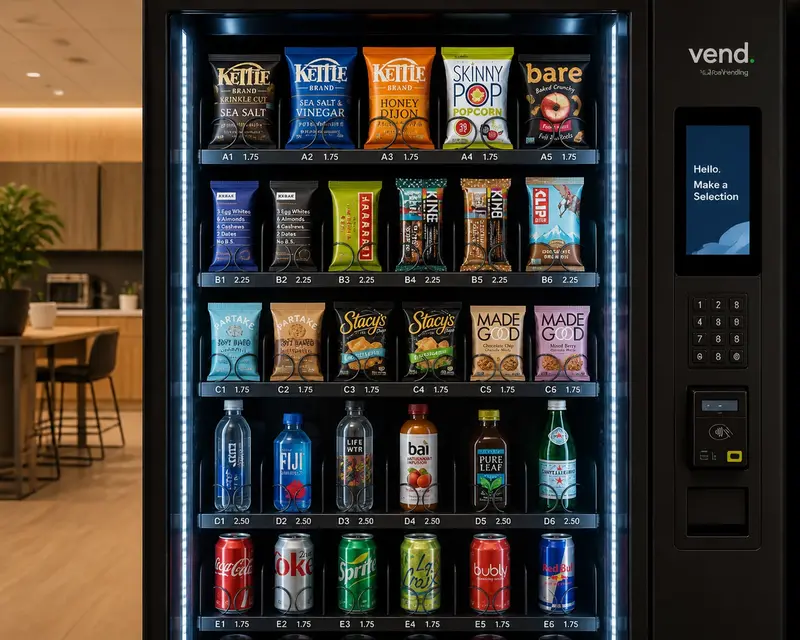
Create Standard Planograms
Every machine should follow a pre-approved template based on the location archetype:
- The Blue Collar Breakroom: High-calorie snacks: large-format energy drinks: salty staples.
- The Professional Office: Premium coffee: sparkling water: healthy snack alternatives.
- The High-Traffic Public Site: Immediate gratification items, well-known national brands: seasonal rotations.
By standardizing these planograms, your "picking" process becomes mechanical. Your staff: or you: know exactly what needs to be ordered because the variety is controlled. You can find more templates on our Vending Operator Tools page.
Integrating Technology into the Supply Chain
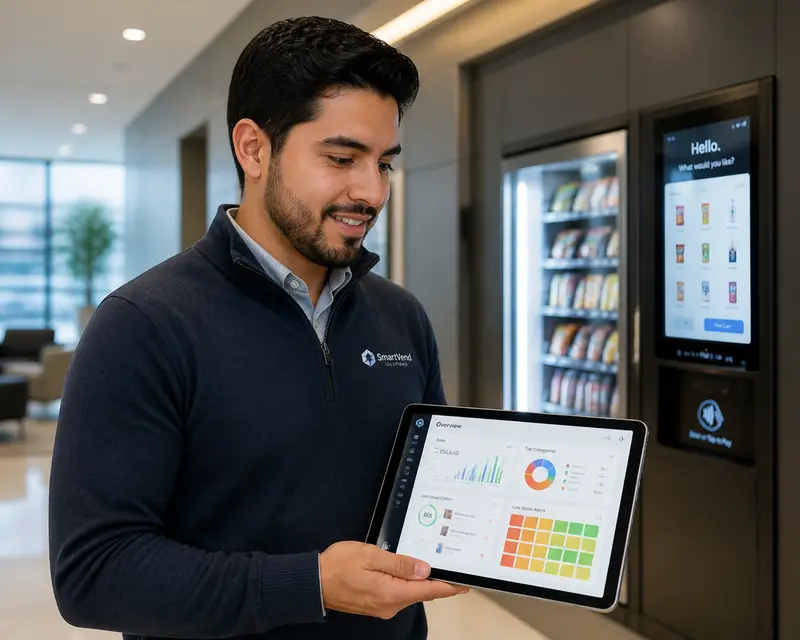
In 2026, sourcing is a data problem: not a shopping list problem. Your telemetry and VMS are the "source of truth" for your supplier network.
Automated Reordering
When your machines are equipped with modern telemetry, the system knows exactly how many bags of Flamin' Hot Cheetos were sold in the last 24 hours. A scalable operation links this data to your purchasing. Instead of guessing how many cases to buy: your VMS generates a "Pick List" for the warehouse and a "Purchase Order" for the distributor.
Margin Protection
Inflationary pressures mean your costs are constantly in flux. A standardized sourcing network allows you to track "landed cost" per unit in real-time. If your distributor raises the price of a candy bar by $0.12: your system should immediately alert you to adjust the vend price or swap the SKU for a higher-margin alternative.
The Operational Rhythm: A Weekly Sourcing Cycle
To move from "scrappy" to "standardized," you need a repeatable process. Most successful operators at The Vending Club follow a Tuesday-to-Tuesday cycle:
- Monday (Data Review): Review VMS sales data from the weekend. Identify fast-movers and upcoming stockouts.
- Tuesday (Inventory Count): Verify physical stock in your storage area against what the VMS says you have.
- Tuesday Afternoon (Ordering): Place orders with Tier 1 and Tier 2 suppliers. This ensures delivery by Thursday or Friday.
- Wednesday (The Gap Fill): If a core item is unavailable: visit a Tier 4 wholesale club for a temporary bridge.
- Thursday/Friday (Receiving): Accept deliveries: check for shorts or damages: and stage the product for next week's route runs.
Managing Your Suppliers
Just because you have a distributor doesn't mean you can't hold them accountable. Scalable businesses treat suppliers as partners: but they also use "scorecards."
Track three specific metrics for every supplier:
- Fill Rate: Did they deliver 100% of what you ordered? Short-shipments cost you money in empty machine slots.
- Price Stability: Are they sneaking in "fuel surcharges" or "delivery fees" that weren't in the original agreement?
- Accuracy: Are you receiving the specific pack sizes and flavors you ordered: or are they sending "subs" that don't fit your coils?
Review these metrics quarterly. If a supplier consistently fails: it's time to move them down a tier and promote a competitor.

Turning Your Supply Chain into an Asset
Building a professional supplier network is about building an asset. A vending route where the owner "shops" every day is a job: a route with a standardized, data-driven supply chain is a business.
As you prepare for major industry events like ACE, focus on your back-end systems. The goal is a setup where the product arrives at your door, the data tells you where it goes, and the machine does the selling. That is how you win in 2026.
Frequently Asked Questions
At what machine count should I switch from Costco to a distributor?
Most operators find the "tipping point" is between 8 and 12 machines. At this stage, the time spent shopping exceeds the cost savings of retail pricing: and the lack of delivery becomes a significant hurdle to further growth.
Do I need a warehouse to use a Tier 1 distributor?
Not necessarily. Many regional distributors will deliver to a commercial storage unit if it is accessible to their trucks. Some even offer "cross-dock" services or smaller delivery vehicles for residential-adjacent locations: though you should expect to pay a small premium for this.
How many SKUs should I carry in my "Master List"?
For a mid-sized route: 30 to 50 machines: your Master SKU List should ideally stay under 150 items. This provides enough variety for different location types while keeping your inventory turnover high and your storage requirements manageable.
How do I handle product price increases from suppliers?
In a standardized network: you should review your "Price to Cost" ratio monthly. If your product cost exceeds 35% of the vend price: you must either renegotiate with the supplier: swap for a cheaper alternative: or raise your machine prices immediately.
Should I buy my own truck for sourcing?
Only if you are doing Tier 4 (Club) runs. If you have built a professional network: the distributors are the ones with the trucks. Your goal is to have the product come to you: freeing up your vehicle for service runs and new equipment installs.
Ready to improve your operation? Join The Vending Club as an Operator and get access to the network, tools, and community expertise you need to build a truly scalable enterprise.